Bicycle Accident Lawyer Advice for Rural Road Bicycle Accidents
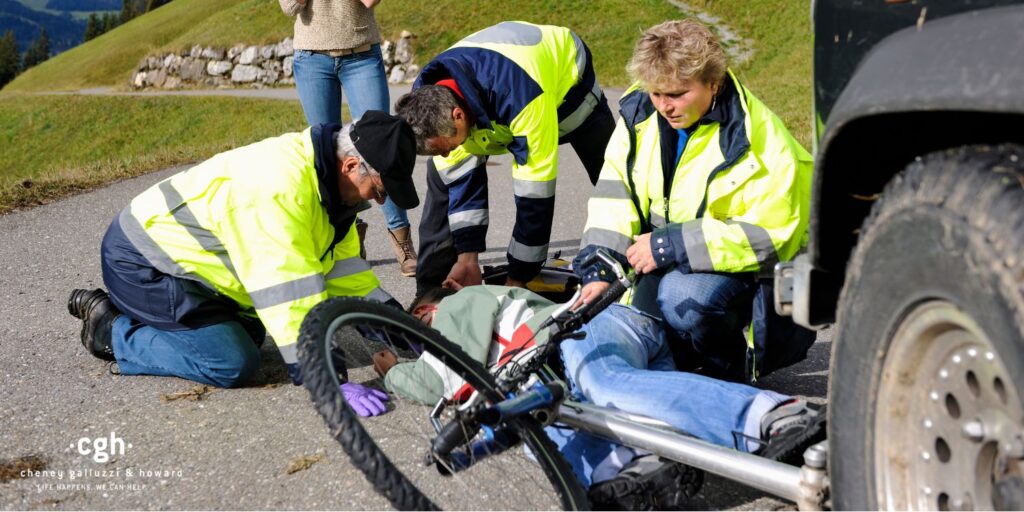
Rural road bicycle crashes are different from city crashes in ways that matter, both medically and legally. The roads are faster. Shoulders are narrower or disappear without warning. Cell service can be weak. Witnesses are scarce. A rider can be badly hurt and still wait far too long for help to arrive. When those facts meet insurance adjusters, missing evidence, and disputes about who had the right of way, a case can become harder than many people expect.
A Bicycle Accident Lawyer who has handled rural roadway claims usually sees the same pattern. The injury is serious, the cyclist did little wrong, and yet the early narrative leans toward blaming the rider. The driver says the bike came out of nowhere. The officer notes poor visibility without examining the sun angle. The insurer points to the lack of bike lane markings as if that somehow relieves the driver of the duty to pass safely. On open country roads, a bad first impression can shape a case unless someone builds the facts carefully and fast.
That is why advice for rural bicycle accidents has to be practical, not theoretical. The first hours matter. The first week matters more than most people realize. And the details that seem small at the scene, gravel on the fog line, a blind rise, skid marks fading in dust, can later decide liability.
Why rural bicycle crashes are uniquely difficult
A rider hit on a farm road or two lane county highway faces a different set of hazards than a commuter struck downtown. Speeds may run 45 to 60 miles per hour even on roads with no shoulder. Passing zones can be limited by curves, hills, or tree lines, yet some drivers still attempt risky overtakes because they do not want to slow behind a bicycle for even ten seconds. There may be no nearby businesses with cameras, no storefront witnesses, and no immediate emergency response. By the time an investigator returns to document the scene, tire marks may be gone and local traffic patterns may have shifted.
There is also a cultural issue that does not get discussed enough. In some rural areas, drivers are not used to seeing cyclists on the road, especially early in the morning or near dusk. That unfamiliarity often shows up later as blame. A driver may say, honestly but incorrectly, that bicycles should not be there. Legally, that belief is often irrelevant. Cyclists typically have the same right to use the roadway as motorists, subject to local rules. But once that attitude enters a police report or insurance file, it can be hard to undo.
The injury profile can be harsher too. Higher impact speeds often mean fractures, spinal trauma, traumatic brain injury, lung injuries, and long recoveries. A rider thrown onto chip seal, gravel, or a culvert edge can suffer damage beyond the initial strike. I have seen cases where the driver focused on the point of contact, while the real long term harm came from the secondary landing in a drainage ditch or barbed fence line. Those facts affect damages and should not be glossed over.
The legal questions start at the scene
After a rural crash, people often think the main issue is whether the driver hit the cyclist. That part is usually obvious. The harder questions are about why it happened and whether the defense can create doubt around visibility, positioning, lighting, road conditions, or rider conduct.
A Bicycle Accident Lawyer looking at a rural case usually asks a different set of early questions than in an urban intersection claim. How wide was the travel lane? Was there a usable shoulder, or only broken pavement and loose stone? Was the rider forced closer to the lane because of rumble strips, debris, standing water, or edge drop off? Did the driver cross the centerline to pass, and if not, why not? Was there oncoming traffic that should have made the driver wait? Was the cyclist wearing visible clothing and using front and rear lights if conditions warranted? What was the actual sight distance, measured from the driver’s direction of travel, not guessed later from memory?
These points matter because defense carriers often build a simple story: the road was narrow, the cyclist was hard to see, the driver had no reasonable chance to avoid impact. Sometimes that story falls apart once the road is measured. A straight stretch that “felt sudden” to the driver may actually have offered 500 feet or more of visibility, more than enough time to recognize a cyclist and slow down. On the other hand, there are cases where a rider descends into a blind curve at twilight without proper lighting, and comparative fault becomes a real issue. Good legal advice is not about pretending every cyclist claim is perfect. It is about identifying what the facts support before the other side defines the case for you.
What to do in the first 24 hours if you can
If the injured rider is conscious and physically able, a few steps can preserve a remarkable amount of evidence. If not, family members can often do this within hours.
- Photograph the scene from both directions of travel, including lane width, shoulder condition, gravel, skid marks, debris, blood marks, bike damage, and any visual obstructions.
- Get the names and numbers of everyone who stopped, not just the people who spoke with police.
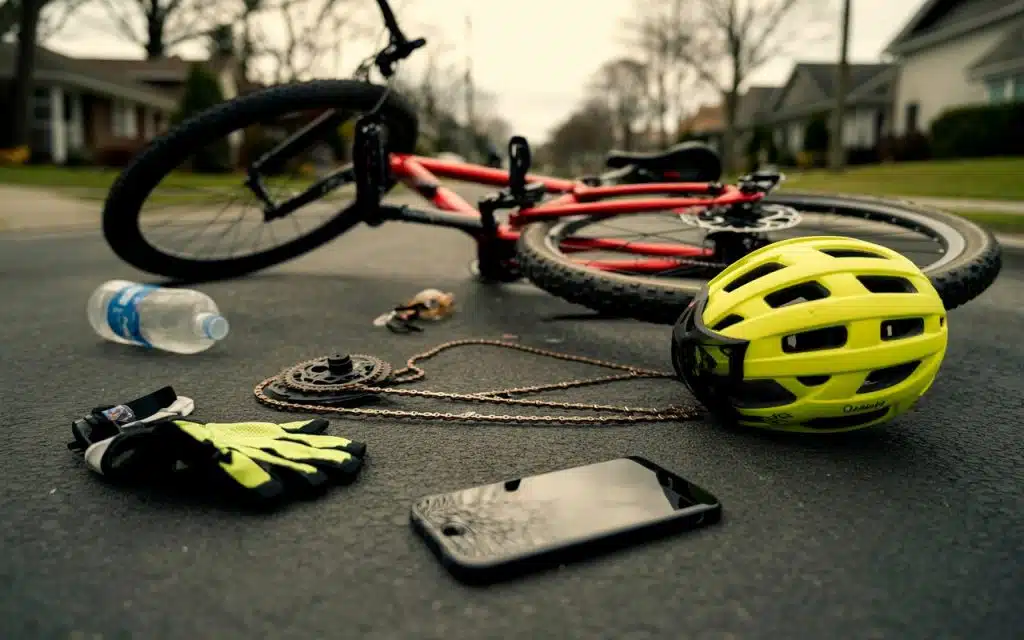
- Preserve the bicycle, helmet, clothing, shoes, lights, bike computer, and phone exactly as they are, without repair or cleaning.
- Seek full medical evaluation even if adrenaline makes the injuries seem minor at first.
- Avoid giving a recorded statement to the driver’s insurer before getting legal advice.
That short checklist does not solve everything, but it prevents some of the worst mistakes. Rural cases are evidence sensitive. A washed jersey may lose transfer marks from a vehicle. A repaired wheel can erase impact patterns. A delayed emergency room visit gives the insurer an opening to argue that the injury came later or was exaggerated.
Medical care deserves special emphasis. Cyclists are accustomed to pain and often minimize symptoms. A rider may focus on road rash and a broken collarbone while missing a concussion, internal bleeding, or cervical injury. If there was a loss of consciousness, confusion, vomiting, chest pain, abdominal pain, numbness, severe headache, or increasing back pain, the need for prompt evaluation is obvious. But even without dramatic symptoms, a high speed rural impact can produce hidden injuries that show themselves only after the body settles.
The police report helps, but it is not the whole case
People put too much weight on the initial report. Some officers do excellent collision reconstruction. Others arrive after the fact, piece together limited statements, and move on. On a quiet county road, the officer may have no body camera footage from the key moments, no independent witnesses, and no time to perform detailed measurements. If the report is favorable, that helps. If it is unfavorable, it is not necessarily the end of the case.
I have seen reports that state “cyclist in lane” as though that fact alone implies fault. On many rural roads, a cyclist may need to occupy more of the lane because the shoulder is unsafe. I have also seen reports omit the most important physical fact, that the driver never braked before impact. That omission matters when the defense later argues the cyclist was impossible to see. Drivers do not usually fail to brake when they have a clear, timely view of the roadway.
A Bicycle Accident Lawyer often supplements the report with scene photographs, drone imagery where appropriate, weather data, roadway design information, event data from the vehicle if available, 911 recordings, and statements from local residents who know the road. A farmer whose driveway faces the curve may know that drivers cut the corner every morning. A school bus driver may know the sun glare is severe at a certain hour in harvest season. These details are not speculation when they are tied to measurable facts.
Passing distance and lane position are often central
One recurring issue in rural cases is whether the driver gave enough passing room. Many states require a minimum passing distance, often three feet, and some require more at higher speeds. Even where the law is phrased differently, drivers still have a general duty to pass safely. On a 55 mile per hour road, “close enough” is not safe. The pressure wave from a truck or SUV passing inches away can destabilize a rider even without direct contact.
Defense lawyers sometimes argue that there was no way to pass wider because of oncoming traffic or narrow lanes. That argument usually helps the cyclist more than the driver. If a safe pass was not available, the driver had to wait. Impatience is not a defense.
Lane position can also be misunderstood. Riders on rural roads often move left within the lane to avoid broken pavement, shoulder debris, rumble strips, or parked farm equipment. Jurors who do not ride may initially wonder why the cyclist was “out in the road.” The answer is often simple and reasonable: the right edge was dangerous. Good case presentation shows this with photographs and measurements, not lectures. When people see a crumbling edge with gravel and a three inch drop to the shoulder, they understand immediately why a cyclist would not hug it.
When poor road maintenance is part of the story
Not every rural bicycle crash is only about the driver. Sometimes the roadway itself contributes. Loose aggregate after chip sealing, unmarked edge drop offs, washed out shoulders, potholes hidden by shade, or overgrown vegetation at an intersection can all matter. That does not automatically create a claim against a county or other public entity, and those claims are often harder. Notice deadlines may be short. Immunity rules may apply. The standard for proving fault can be stricter than in an ordinary negligence case.
Still, road condition should never be ignored just because claims against public entities are difficult. In some cases, the road defect explains why the cyclist was positioned where they were. In others, it caused the rider to fall before being run over by a following vehicle. In still others, it turns a moderate incident into a catastrophic one. A rider forced off the pavement by a close pass may survive with minor bruising on a clean shoulder but suffer life changing injuries when the shoulder collapses into a drainage ditch.
A lawyer evaluating these facts should move quickly. Public works records, maintenance logs, prior complaints, and photographs from before and after the crash can disappear or become harder to obtain with time. If there is a possible roadway defect issue, delay is expensive.
Insurance problems are more common than people expect
Rural crashes often involve policy disputes that catch families off guard. The at fault driver may carry minimum limits, sometimes shockingly low compared with the cost of trauma care and surgery. There may be a farm vehicle involved, a commercial pickup used both personally and for work, or a driver who was on the clock for a local contractor. There may be umbrella coverage, uninsured or underinsured motorist coverage, medical payments coverage, or health insurance reimbursement rights affecting the net recovery.
One of the first things a Bicycle Accident Lawyer should do is identify every potential source of coverage. That does not mean overreaching. It means doing the basic work properly. Who owned the vehicle? Was the driver using it for business? Is there a separate employer policy? Does the injured cyclist have underinsured motorist coverage through an auto policy in the household even though the person was on a bike? In many states, that is a live issue and can make a major difference.
Families also need to understand that fast settlement offers are rarely generous in serious injury cases. Rural claims are especially prone to early low offers because adjusters know the evidence may be thin and the rider may feel pressure from medical bills. A broken wrist and road rash case might resolve fairly early if liability is clear and treatment is limited. A case involving surgery, head injury, chronic pain, or lost earning capacity should almost never be valued in the first few weeks.
Serious injuries need a damages case, not just an accident case
Liability gets attention because it is dramatic, but damages often drive the value of the claim. In rural bicycle crashes, damages can be substantial and unusually personal. The injured person may be a dedicated cyclist whose routine, identity, and mental health were tied to riding. They may live far from major medical providers, making treatment more disruptive and expensive. They may work a physical job that becomes impossible after a shoulder reconstruction or spine injury.
The law recognizes medical bills and wage loss, but a strong case goes deeper. It shows how the injuries actually changed daily life. Can the rider lift feed bags, carry a child, climb onto farm equipment, stand through a shift, or ride even a few miles without numbness or fear? Has a traumatic brain injury affected concentration, mood, balance, or tolerance for noise? These are not soft issues. They are the lived consequences of a crash.
Documentation matters. The best damages evidence often comes from ordinary records and consistent treatment rather than dramatic claims. Therapy notes, surgical recommendations, mileage logs for medical travel, employer statements, before and after photographs, and a plainspoken account from a spouse often carry more weight than inflated descriptions. Good lawyers encourage clients to be accurate, not theatrical.
Common defense themes and how they are answered
Rural bicycle cases tend to produce a familiar set of defenses. Some are fair questions. Some are attempts to capitalize on stereotypes.
- “The cyclist was hard to see.” This rises or falls on lighting, contrast, weather, sight lines, and impact evidence, not the driver’s after the fact feeling.
- “The cyclist should have been farther right.” That depends on shoulder safety, debris, lane width, rumble strips, and state law.
- “There were no witnesses.” True, but physical evidence, vehicle damage, data, and roadway measurements often speak clearly.
- “The cyclist was training on a dangerous road.” Lawful road use is not negligence simply because the road carries risk.
- “The injuries are exaggerated.” Medical records, imaging, treatment history, and functional loss usually answer this better than argument.
What works against these defenses is specificity. Vague advocacy loses rural cases. Precise evidence wins them. If the driver says the sun blinded them, someone should check the direction of travel and the actual sun position. If the insurer says the cyclist blended into the background, someone should compare that claim against bright clothing, https://www.google.com/maps?cid=12754349830689844018 flashing rear lights, and unobstructed sight distance. If the defense says the bike swerved unexpectedly, someone should inspect the road surface for a pothole or gravel patch that explains the movement.
Choosing the right lawyer matters more here
Not every personal injury lawyer is the right fit for a rural bicycle claim. The issue is not prestige or advertising. It is whether the lawyer understands bikes, roadway dynamics, severe injury proof, and the way small towns generate both useful witnesses and stubborn assumptions.
A good fit will ask disciplined questions early. They will want scene photos, not just the police report. They will understand why shoulder condition matters. They will know that a cyclist’s decision to take the lane may be a safety measure, not a confession of fault. They will also be candid when the case has weaknesses, such as poor visibility gear, an avoidable descent at dusk without lights, or a rider crossing the centerline on a blind curve. Honest evaluation builds credible strategy.
You should expect direct answers about timing, communication, and resources. Will the lawyer inspect the scene personally or send an investigator? Do they use reconstruction experts when warranted? Have they handled traumatic brain injury claims? Are they prepared to litigate if the insurer refuses to value the case fairly? A rural collision can look simple on paper and still require substantial work.
The rider’s own choices can matter, but context matters more
It is worth saying plainly that cyclists are not immune from scrutiny. If a rider ignores lighting requirements, rides unpredictably, or descends aggressively through blind areas, those facts can affect recovery in some states. But context is everything. Many crashes happen to careful, experienced riders in daylight on straight roads where the only real cause was a driver who failed to slow down and pass safely.
Even when a cyclist made a mistake, that does not let the driver off the hook. Comparative fault rules often allow recovery reduced by the rider’s share of responsibility. In practice, that means many “imperfect” cases are still strong enough to pursue. A lawyer who knows rural bicycle litigation will not reject a claim simply because it has complications. They will analyze whether those complications actually changed the outcome or merely provide talking points for the defense.
What families should keep in mind over the next few months
The period after a serious rural bike crash is physically exhausting and administratively messy. Medical appointments multiply. Work becomes uncertain. The bicycle may sit damaged in a garage like a piece of evidence and a source of grief at the same time. During that stretch, the legal process should reduce chaos, not add to it.
A solid attorney helps organize the case around three timelines at once: medical recovery, evidence preservation, and insurance positioning. Those timelines rarely move together. The insurer wants speed. Good medicine often requires patience. Evidence, especially from a rural roadway, can vanish quickly. Balancing those forces is part of the job.
The best advice is straightforward. Do not let the other side define the crash before the facts are gathered. Do not assume the police report settles everything. Do not repair or discard the bike and gear. Do not treat sporadically if you are genuinely hurt. And do not choose a Bicycle Accident Lawyer based only on who answers the phone first or advertises the loudest. Rural bicycle cases reward careful work. They also punish delay.
When a cyclist is hit on a country road, the case is rarely just about a moment of impact. It is about visibility, speed, road design, passing judgment, emergency response, medical reality, and the credibility of details. Those details are where fair outcomes are usually won or lost.
CGH Injury Lawyers
2701 Lawrence St Suite 201
Denver, CO 80205, United States
Phone: +1 720-669-8062
FAQ About Bicycle Accident Lawyer
Who is at fault if a car hits a bicycle?
Fault depends on the evidence and the traffic rules that applied to the collision. A driver, cyclist, or another party may share responsibility. Police reports, witness accounts, video, and the physical evidence can help establish what happened. A collision with a car does not automatically determine legal fault.
Can you sue someone for hitting you on a bike?
You may have a claim when another person's negligent conduct causes your injuries and losses. The available evidence, applicable deadlines, insurance coverage, and any shared fault affect your options. A lawyer can review the circumstances and explain whether an insurance claim or lawsuit is appropriate; compensation is not guaranteed.
What percentage does an injury lawyer usually take?
There is no single percentage that applies to every injury case. Many lawyers use a contingency fee based on a share of the recovery, with the terms stated in a written agreement. Ask how the percentage is calculated, whether it changes during litigation, and how case expenses are handled before signing.