Bicycle Accident Lawyer Guide to Economic and Non-Economic Losses
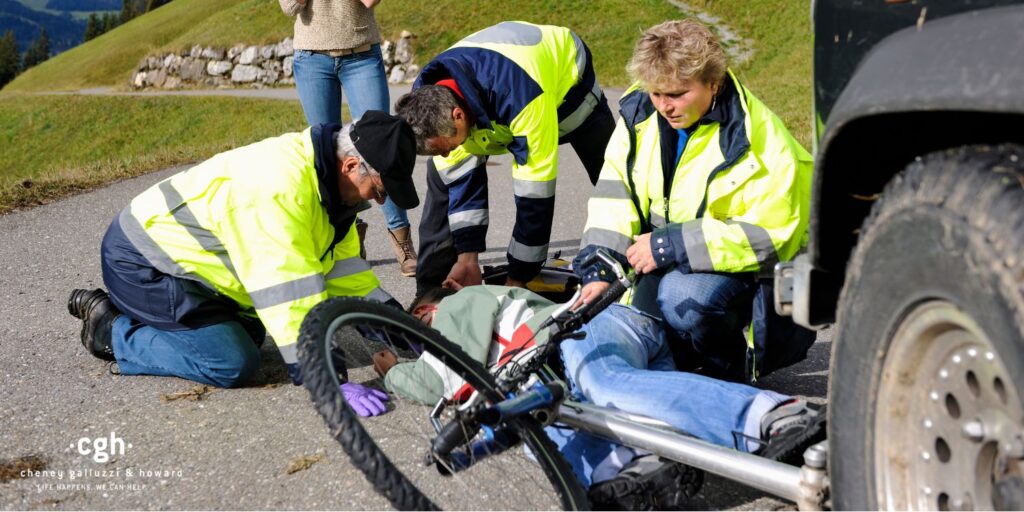

A bicycle crash can rearrange a life in a few seconds. One rider leaves home for a routine commute or a weekend ride, then ends the day in an emergency room, on the phone with an employer, or trying to figure out whether a damaged wrist will heal well enough to grip handlebars again. When a collision was caused by a careless driver, a hazardous road condition, or another preventable failure, the legal claim is not only about fault. It is also about measuring loss in a way that reflects what the injured person has actually endured.
That is where the distinction between economic and non-economic losses becomes practical, not academic. A Bicycle Accident Lawyer spends a great deal of time translating lived harm into categories that insurers, defense counsel, judges, and juries recognize. Some losses come with invoices and payroll records. Others are no less real, but they resist neat arithmetic. Pain, reduced mobility, embarrassment over scarring, panic in traffic, and the loss of a hobby that once defined a person’s routine do not arrive with a billing statement attached.
Clients are often surprised by how much turns on detail. The claim is not strengthened by broad statements that life has been hard. It is strengthened by specificity. How many workdays were missed. What treatment was prescribed. What activities stopped. Which daily tasks now require help. What emotional changes family members noticed. The law asks for proof, and strong proof often looks like careful documentation of ordinary life.
The basic split, what each category really means
Economic losses are the financial harms tied to the accident. They usually include medical bills, future medical treatment, lost income, loss of earning capacity, property damage, and other out of pocket costs that can be shown through records, testimony, and expert analysis. These are sometimes called special damages in legal practice, although terminology varies by jurisdiction.
Non-economic losses cover the human cost that does not fit neatly into a spreadsheet. Pain and suffering is the phrase people know best, but it is only part of the picture. Non-economic harm can include emotional distress, physical impairment, disfigurement, inconvenience, loss of enjoyment of life, and in some cases the effect the injury has on a marriage or close family relationship.
The legal system separates these categories because they are proved differently. Economic losses can often be counted. Non-economic losses must be described, supported, and argued. Both matter. If either category is undervalued, the result can be a settlement that looks acceptable on paper but fails to match the real scope of the injury.
Why bicycle cases often require a closer look than car crash claims
A bike rider has no steel frame, airbags, or seat belt. Even at low speeds, the rider’s body usually takes the full force of impact. That simple fact changes the damages picture. A driver may walk away from a minor collision with little more than soreness. A cyclist struck in the same event may suffer a fractured clavicle, a concussion, road rash, dental trauma, or a knee injury that lingers for years.
Bicycle injuries also have a way of disrupting routines that insurers tend to dismiss at first glance. A person who cycled to work may suddenly need to pay for rideshares or public transportation. Someone who relied on a bike for errands may lose independence during recovery. A recreational rider may lose not just exercise, but a social outlet, stress relief, and community. Those disruptions can overlap economic and non-economic damages in ways that deserve careful attention.
There is also a perception problem. Some adjusters view bicycles as inexpensive property and bicycle collisions as low value cases. That assumption can be badly wrong. Modern road bikes, commuter e-bikes, custom frames, helmets, cycling computers, lights, shoes, and apparel can represent significant property loss. More important, the rider’s body often sustains injuries that cost far more than the damaged equipment.
Economic losses, the numbers that anchor the claim
The most straightforward category is usually past medical expense. Ambulance transport, emergency room care, diagnostic imaging, orthopedic treatment, surgery, physical therapy, medication, follow up visits, and medical devices all belong here if they were reasonably necessary because of the crash. The records matter, but context matters too. A pile of bills tells one story. Bills paired with physician opinions about prognosis tell a fuller one.
Future medical expense often becomes a battleground. A collarbone fracture may heal with conservative care, or it may require surgery later if the bone fails to unite properly. A concussion may appear mild in the first week, then produce headaches, fatigue, and concentration problems that stretch for months. A knee injury may lead to ongoing physical therapy or injections. A strong claim for future care usually depends on a treating doctor or qualified expert explaining what treatment is likely and why.
Lost income is another major component, though people underestimate how broad it can be. It is not limited to hourly wages missed while a person sits at home. It can include salary, overtime, commissions, freelance projects, bonuses tied to performance, used vacation days, missed business opportunities, and self-employment losses. A restaurant worker who cannot stand for long shifts, a nurse who cannot lift patients, and a software consultant whose concussion makes screen time difficult all experience wage loss differently. Each requires a different proof strategy.
Loss of earning capacity is even more important in serious injury cases. This is not just what someone missed in the weeks after the crash. It is what the injury does to future work potential. A carpenter with a permanent wrist limitation may still be able to work, but not at the same speed, not in the same role, or not for the same number of years. A bicycle commuter with chronic neuropathy may technically keep a desk job, yet lose the side coaching work that required weekend travel and physical stamina. These are not speculative claims when they are grounded in vocational and medical evidence.
Property damage deserves more care than it sometimes gets. Bicycle valuation can be surprisingly technical. A custom carbon frame is not priced the same way as a department store bike. Components matter. Fit modifications matter. Recent upgrades matter. Safety gear matters too. A helmet should usually be replaced after a significant impact, even if external damage seems minor. Torn clothing, broken eyewear, damaged electronics, and destroyed panniers or child carriers may all be compensable.
Some economic losses are easy to miss because they appear in small amounts at first. Parking fees for appointments, mileage to treatment, home cleaning assistance during recovery, child care needed because the injured parent cannot lift or drive, over the counter medical supplies, and transportation costs while the bike is unusable can add up. None of these line items will carry the case by themselves, but together they help show the true cost of injury.
Non-economic losses, the part insurers often try to flatten
Pain is not a number, but it is still evidence. The same is true for disrupted sleep, fear of traffic, frustration over dependence on others, and the grief that comes from losing an activity that once gave shape to the week. In bicycle cases, these losses often carry unusual weight because cycling is rarely just transportation. For many people, it is exercise, identity, stress management, social connection, or all four at once.
Take a rider who breaks a pelvis and spends months relearning ordinary movements. The medical bills reflect one side of the harm. The other side is harder to quantify: not being able to climb stairs without pain, not being able to pick up a child, dreading intersections, or feeling detached from a cycling group that meets every Saturday morning. If the injury causes visible scarring or permanent limitation, the emotional effect may deepen. People often underreport that side of the case, either because they are private or because they think it sounds less legitimate than a bill. It is legitimate. It needs language and support.
Concussion cases are especially instructive. On paper, a mild traumatic brain injury may seem less dramatic than a fracture requiring surgery. In practice, post-concussive symptoms can be deeply disruptive. Noise sensitivity, irritability, memory lapses, headaches, and mental fatigue can erode work performance and strain relationships. These losses belong in the claim even when scans appear normal. The absence of a dramatic image does not erase the existence of the injury.
Scarring and disfigurement also deserve frank attention. Cyclists frequently suffer road rash, facial injury, or orthopedic scarring. Defense lawyers sometimes treat scars as cosmetic issues unless the scar is severe. That misses the point. A scar can be a daily reminder of trauma, can alter self-confidence, and can affect professional or social interactions. The legal value of scarring varies by jurisdiction and facts, but it should never be dismissed casually.
Loss of enjoyment of life is another phrase that can sound vague until it is grounded in specifics. A serious cyclist may have trained for events, planned trips around riding, or built friendships around weekend routes. After the crash, the person may be unable to ride at all, or may return only with pain and fear. A former commuter may now avoid roads entirely. A parent who once rode with children may no longer feel safe doing so. These are concrete changes to the quality of life, not sentimental extras.
How lawyers actually prove these losses
A good damages presentation starts long before negotiation. It begins with a disciplined approach to evidence. Medical records are essential, but they are only one layer. The strongest bicycle injury claims often combine formal records with ordinary, credible detail from daily life.
Useful proof tends to include the following:
- Medical records and physician opinions that connect symptoms and treatment to the crash
- Wage records, tax returns, employer statements, and self-employment documentation
- Photos of injuries, the bicycle, safety gear, and recovery milestones
- A pain journal or recovery log with dated, specific entries
- Statements from family, friends, coworkers, or coaches who saw the before and after
The value of a pain journal is often misunderstood. It should not read like a legal brief. It should read like a real person tracking a hard stretch of life. Short entries are often best. Slept two hours because shoulder pain woke me up. Could not carry groceries upstairs. Tried to ride on the trainer for ten minutes, stopped because of dizziness. Missed daughter’s school event because sitting hurt too much. That kind of detail turns an abstract claim into a believable record.
Family observations can be powerful for non-economic damages, particularly when the injured person is stoic. A spouse may notice that the rider no longer sleeps through the night, avoids busy streets, or withdraws from social events. A coworker may notice slower processing after a concussion. A coach or riding partner may confirm the loss of athletic function or confidence. These witnesses should not exaggerate. Their value lies in precision and credibility.
Expert testimony becomes more important as the injury grows more complex. Treating physicians may address future treatment and impairment. Economists may calculate future income loss. Vocational experts may explain why a permanent limitation changes a person’s job options. Accident reconstruction experts can also matter if liability is disputed, because damages only matter to the extent the claimant can prove legal responsibility.
The insurer’s favorite shortcuts, and why they often miss the point
Insurance carriers like formulas because formulas are cheap. They may start with medical bills, apply an internal multiplier, and call the result fair. That approach can https://anotepad.com/notes/ak5jtw5s work as a rough first pass in small cases, but it often collapses in bicycle claims. Two riders can have the same amount of medical expense and completely different life impact.
Imagine one cyclist with a straightforward wrist fracture that heals in three months. Imagine another with the same initial bill total, but a slower recovery, persistent nerve symptoms, and a profession that depends on fine hand control. The damages are not equal. A formula that looks only at billing totals cannot capture the difference.
Insurers also tend to discount treatment gaps without asking why they happened. Sometimes a rider stops therapy because copays become unaffordable. Sometimes a self-employed person returns to work too early because the household cannot absorb more lost income. Sometimes a person with concussion symptoms misses appointments because the symptoms themselves make organization difficult. These issues do not automatically excuse a gap, but they often explain it. A skilled Bicycle Accident Lawyer anticipates those points and addresses them before they define the case.
Social media is another trap. A single photo of a client standing at a family gathering or sitting on a stationary bike can be used to suggest a full recovery. Context matters. Was the person in pain afterward. Was the activity brief and followed by setbacks. Was the post old or misleadingly framed. These disputes are common enough that injured cyclists should be cautious about what they share publicly while the claim is pending.
When comparative fault changes the damages picture
Bicycle cases often involve arguments about shared responsibility. A driver may claim the rider was outside the bike lane, failed to signal, wore dark clothing, or moved unpredictably. The legal effect depends on state law. In some jurisdictions, an injured person can still recover damages even if partly at fault, though the award may be reduced by that percentage. In others, a higher share of fault can bar recovery.
This matters because damages are never assessed in a vacuum. A case with strong injuries but contested liability may settle for less than a milder case with clear fault. The rider’s conduct, visibility conditions, road design, traffic signals, and witness accounts all shape the negotiation. That is not unfair so much as inherent to litigation. Still, it is one reason early factual investigation matters. Skid marks fade, cameras overwrite footage, and witnesses disappear.
A practical example of how the categories work together
Consider a commuter cyclist struck by a turning car at an urban intersection. The rider suffers a broken elbow, a moderate concussion, and extensive road rash. Emergency care and follow up treatment total roughly $28,000. Physical therapy continues for four months. The rider misses six weeks of work, then returns part time for another month, losing a total of about $11,000 in wages. The bike, helmet, clothing, and electronics add another $4,500 in property loss and replacement costs.
That is the economic side so far, around $43,500 before considering future care. But the non-economic picture is what often drives the real dispute. The rider still cannot fully extend the elbow, cannot sleep comfortably on one side, and gets headaches after long periods at a screen. Before the crash, the rider cycled twelve miles each way to work and joined weekend group rides. After the crash, the rider cannot tolerate urban traffic and now spends several hundred dollars each month on transit and rideshares. The rider feels embarrassed by visible scarring on the forearm and has become tense, irritable, and avoidant in intersections even as a pedestrian.
No honest lawyer would assign a universal value to that suffering, because venue, liability, medical support, and credibility all matter. But any evaluation that looked only at the bills would miss most of the case. That is the heart of the economic and non-economic distinction. One category counts cost. The other accounts for harm.
What injured cyclists should do early, before the claim hardens
The first weeks after a crash often shape the eventual damages case more than people realize. The rider is focused on healing, which is exactly where the focus should be, but a few disciplined habits can preserve critical evidence and prevent underpayment later.
A practical starting point looks like this:
- Follow medical advice and attend appointments consistently, or document clearly why you cannot
- Photograph injuries, equipment damage, and visible recovery changes over time
- Keep receipts and records for every accident-related expense, even small ones
- Write down how symptoms affect work, sleep, mobility, and routine activities
- Speak with a lawyer early if the injuries are significant, liability is disputed, or the insurer is pressing for a quick statement or release
Quick settlements are especially risky in bicycle cases with concussion symptoms or orthopedic injuries that have not stabilized. Once a release is signed, the claim is usually over. It does not matter that the headaches lasted longer than expected or the shoulder later needed surgery. The file is closed. That is why experienced counsel often advises patience until the medical picture is clearer.
The role of judgment in settlement, not every dollar is pursued the same way
One thing seasoned lawyers learn quickly is that not every provable loss should be presented with equal emphasis. Some claims are technically valid but distract from stronger themes. Others seem modest but carry emotional force. Judgment matters.
For example, a claim for replacement of premium cycling shoes may be entirely legitimate, but in a case involving surgery and permanent impairment, that detail should support the story, not dominate it. On the other hand, a modest transportation expense may become important if it shows the rider lost a primary means of commuting and had to reorganize daily life. Good lawyering is not just collecting numbers. It is arranging them in a truthful way that reflects significance.
The same is true for non-economic loss. Exaggeration hurts. Jurors and adjusters can sense when a claim is padded. A rider who says life is ruined but posts weekly mountain photos from a new trail system will face credibility problems. By contrast, a rider who candidly acknowledges improvement while explaining what has not returned often presents better. Real cases are mixed. Most people heal in some ways and struggle in others. Honest nuance is persuasive.
What a fair claim tries to capture
A fair bicycle accident claim is not a windfall. It is an attempt to account for what the crash actually cost, financially, physically, and emotionally. Economic losses provide structure because they can be measured with bills, wages, and expert projections. Non-economic losses supply the human dimension because they capture what the invoice cannot show: the pain of rehab, the fear of returning to the road, the frustration of lost independence, the endurance required to rebuild ordinary life.
For injured cyclists, that distinction matters because bike crashes so often produce a mismatch between visible property damage and invisible personal harm. The bicycle can sometimes be replaced in a week. The rider cannot. A capable Bicycle Accident Lawyer understands that both categories of loss must be developed carefully, documented honestly, and presented in a way that matches the reality of recovery.
When that work is done well, the claim stops being a stack of bills and starts to read like what it is, a record of a life disrupted, and a reasoned demand to be made whole as fully as the law allows.
CGH Injury Lawyers
2701 Lawrence St Suite 201
Denver, CO 80205, United States
Phone: +1 720-669-8062
FAQ About Bicycle Accident Lawyer
Who is at fault if a car hits a bicycle?
Fault depends on the evidence and the traffic rules that applied to the collision. A driver, cyclist, or another party may share responsibility. Police reports, witness accounts, video, and the physical evidence can help establish what happened. A collision with a car does not automatically determine legal fault.
Can you sue someone for hitting you on a bike?
You may have a claim when another person's negligent conduct causes your injuries and losses. The available evidence, applicable deadlines, insurance coverage, and any shared fault affect your options. A lawyer can review the circumstances and explain whether an insurance claim or lawsuit is appropriate; compensation is not guaranteed.
What percentage does an injury lawyer usually take?
There is no single percentage that applies to every injury case. Many lawyers use a contingency fee based on a share of the recovery, with the terms stated in a written agreement. Ask how the percentage is calculated, whether it changes during litigation, and how case expenses are handled before signing.